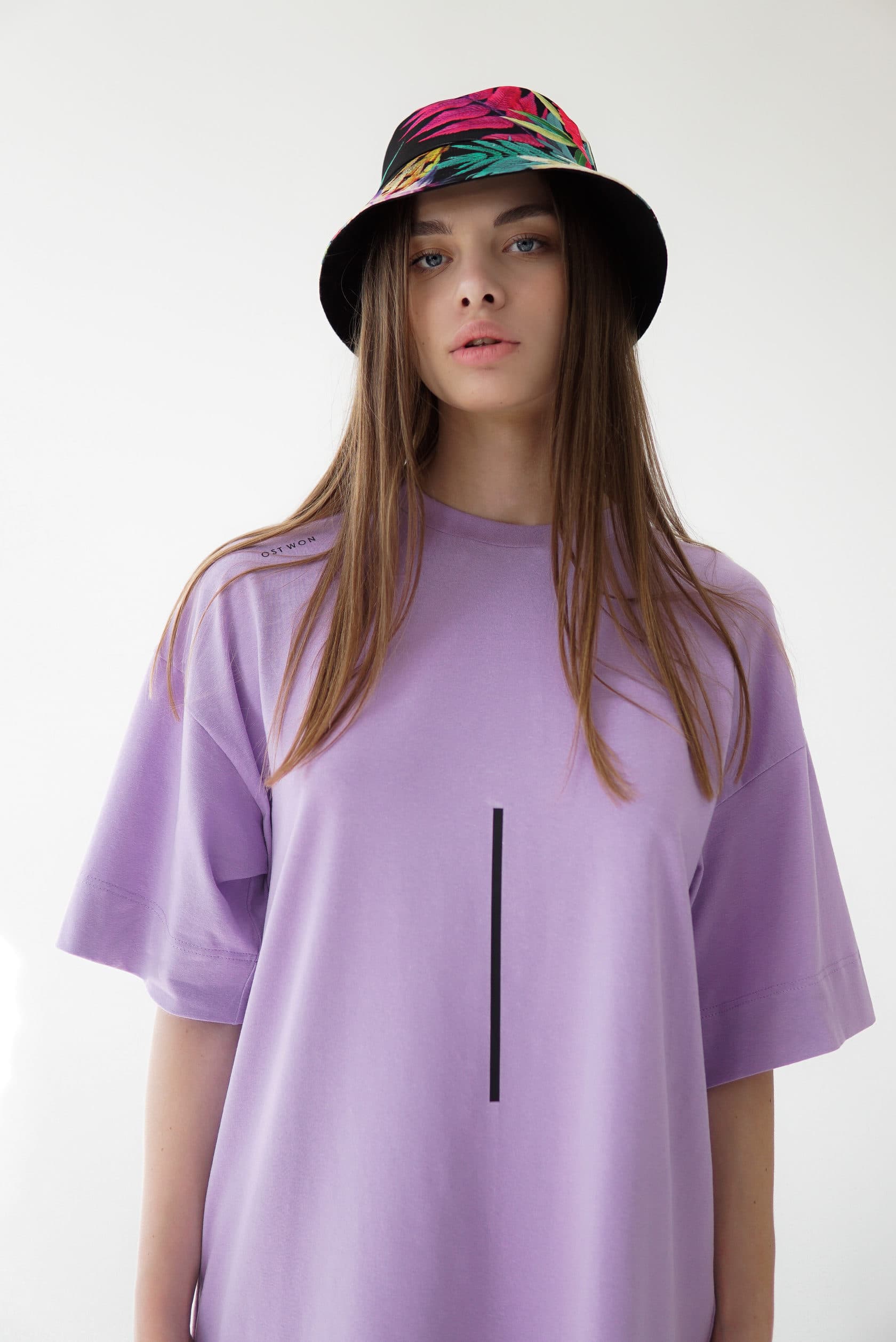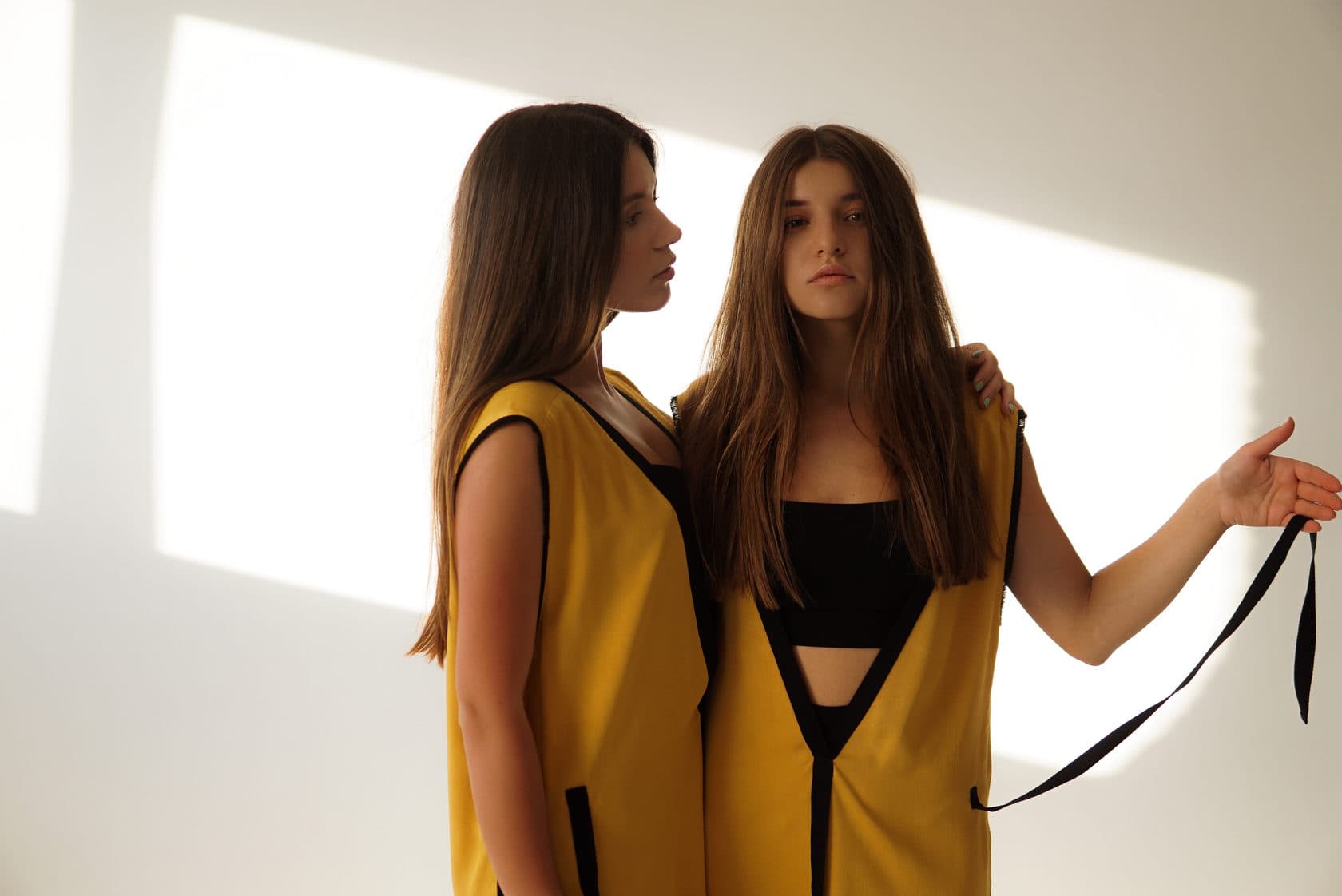
Care of clothing
Washing
- Wash in water up to 30°C using delicate or hand wash mode.
- Use gentle liquid detergents or non-aggressive powders.
- Do not use bleach.
- Avoid machine spinning — this makes ironing easier.
- When hand washing, do not wring the garment.
- Dry the shirt on a hanger, fully spread.
Collars & Cuffs
Collars and cuffs tend to soil faster due to constant skin contact.
- Use special detergents designed for collars.
- Do not scrub with brushes or hands to avoid fabric damage and loss of shape.
Ironing
- Use an iron with a stainless steel soleplate.
- Best results are achieved when ironing the garment slightly damp.
- If the shirt has dried completely, lightly mist it with water to restore even moisture before ironing.
Ironing Settings by Fabric Type
- Cotton with polyester — 110°C, light steam, gentle pressure.
- Viscose — 120°C, steam only; avoid direct water contact.
- 100% cotton — 150°C, moist steam, medium pressure.
- Cotton with linen — 180–200°C, heavy steam, firm pressure.
- Compression-effect fabric — 110°C, no steam.
Dark Fabrics
- Iron inside out to prevent shine marks.
- If ironing on the right side, use steam and minimal contact with the iron.
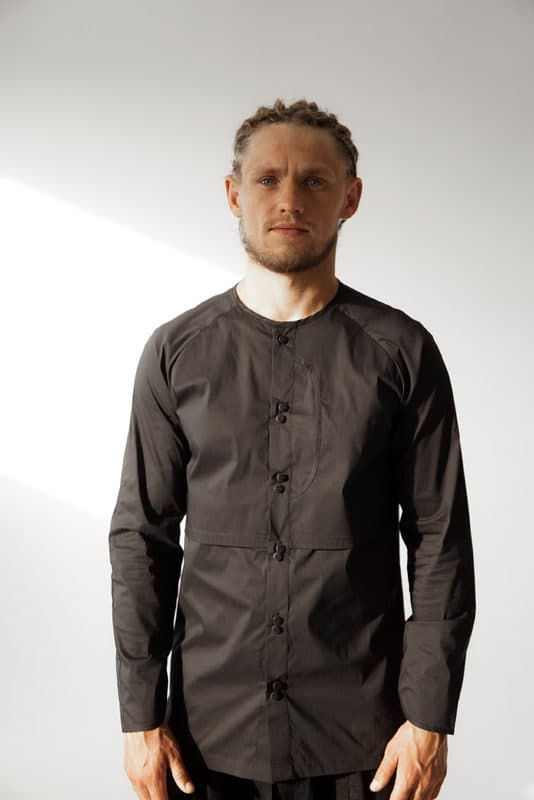
Shirting fabric
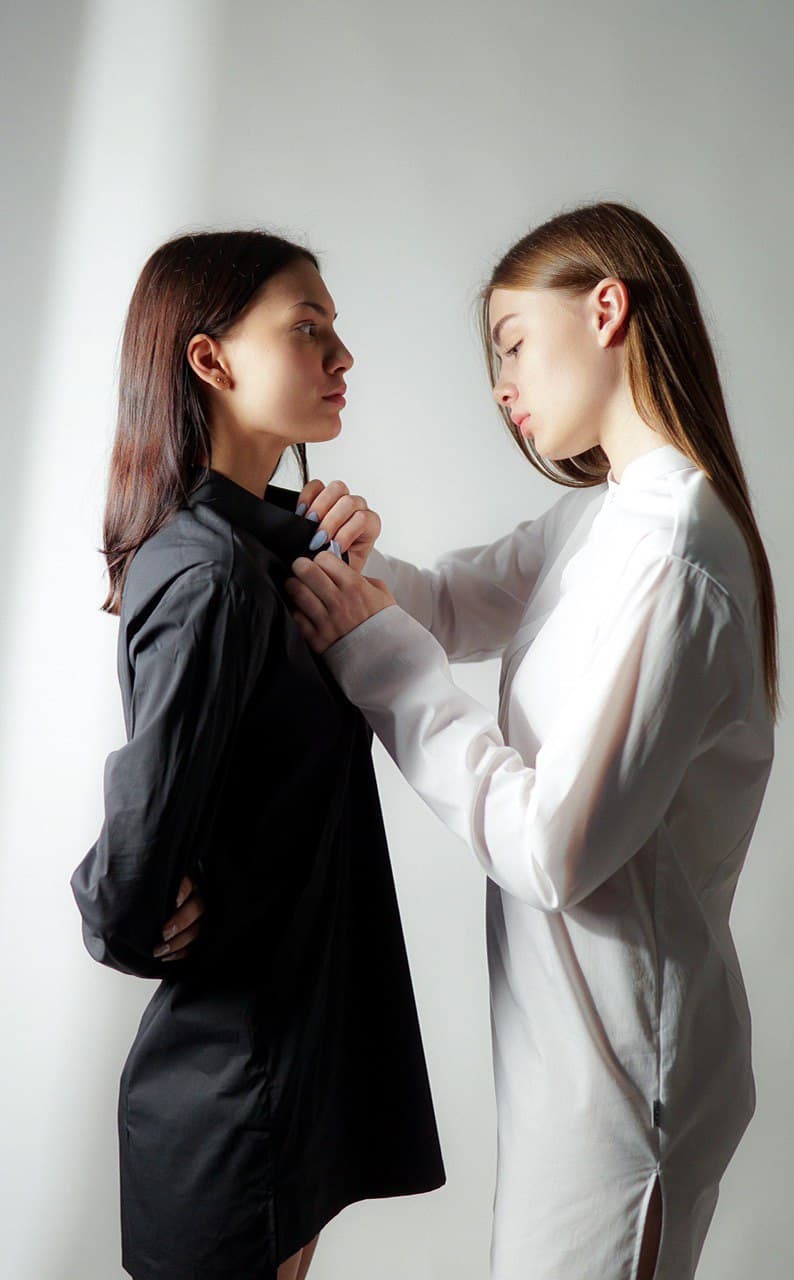
Washing
- Wash in water up to 30°C using delicate or hand wash mode.
- Hand washing is recommended: gently squeeze, do not rub, to prevent pilling.
- Use mild detergents specially designed for knitwear.
- Do not use detergents containing bleach, enzymes, alkalis, or colored granules.
- Wash items of different colors separately to avoid fiber transfer and staining.
- Do not soak for more than 20 minutes.
- Do not boil or soak items made of synthetic fibers or garments with prints, embroidery, 3D or heat-applied designs.
- Rinse knitwear first in warm, then in cold water.
Drying
- Dry flat on a horizontal surface at room temperature.
- Do not hang knitwear, as it may stretch and lose shape.
Ironing
- Iron inside out, following the stitch direction.
- Maximum ironing temperature — up to 110°C.
- While slightly damp, knitwear can be gently reshaped to adjust garment or sleeve length.
Care & Storage
- Improper care may cause pilling; remove pills using a fabric shaver or special brush.
- If not worn for a long time, store knitwear folded.
- Hanging may distort the shape; flat storage is recommended.
Knitwear includes:
- sweaters
- jumpers
- cardigans
- pullovers
- vests
- tops and tanks
- knitted dresses
- skirts
- knitted trousers
- long-sleeve tops
- T-shirts
- hoodies and sweatshirts
- knitwear sets
- scarves, snoods, capes
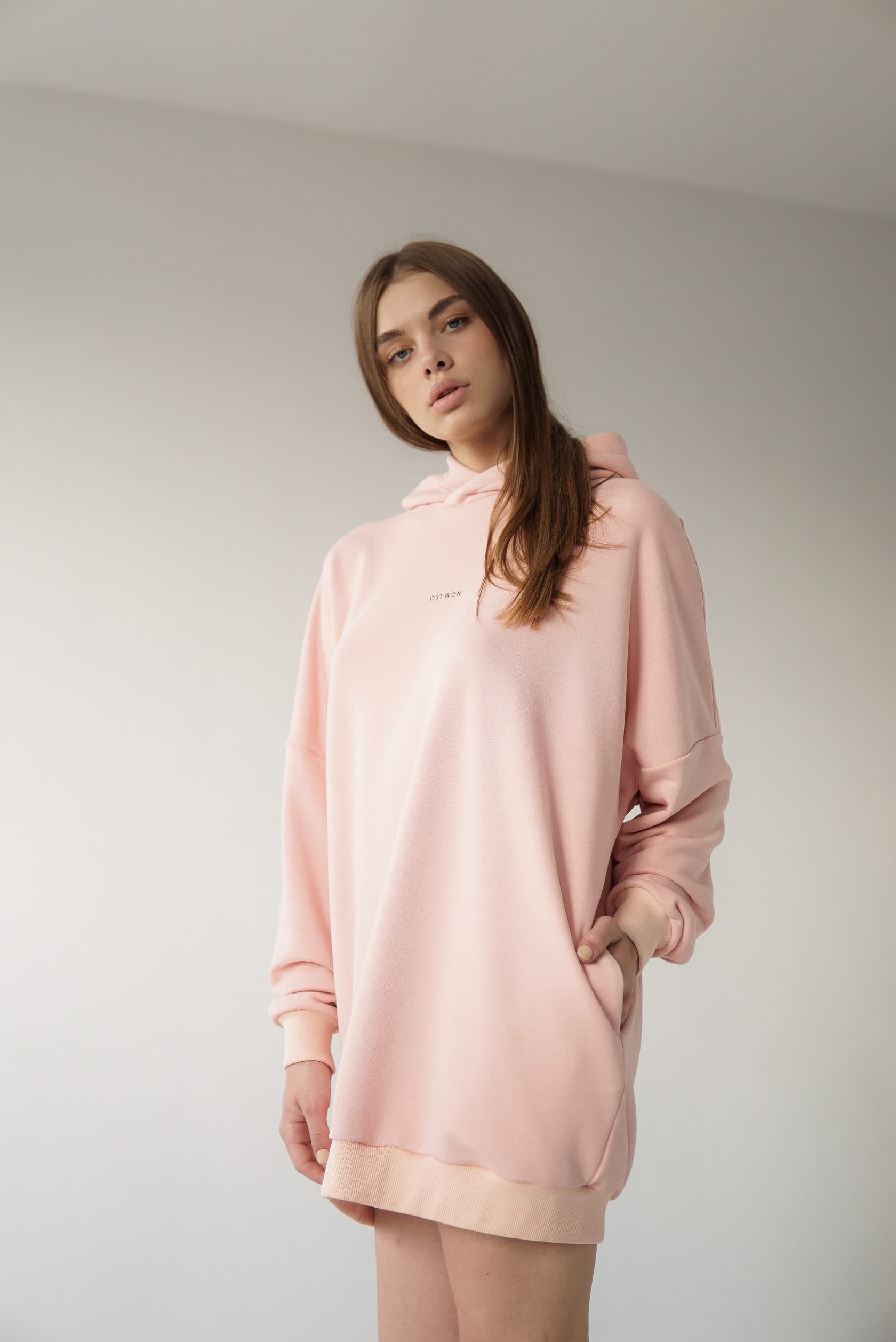
Knitwear